Step into most Australian classrooms and you will notice one thing straight away. Not all students feel the same about maths. Some students feel confident and move fast. Others slow down or feel unsure. Many sit somewhere in the middle. Differentiated maths worksheets help teachers respond to this mix in a simple way. They do not treat the class as one group. Instead, they offer different tasks for different needs. The goal stays the same for everyone. The path just looks a little different. This helps more students stay focused, practise core skills, and make steady progress without feeling left behind.
Understanding Differentiation in Maths Learning
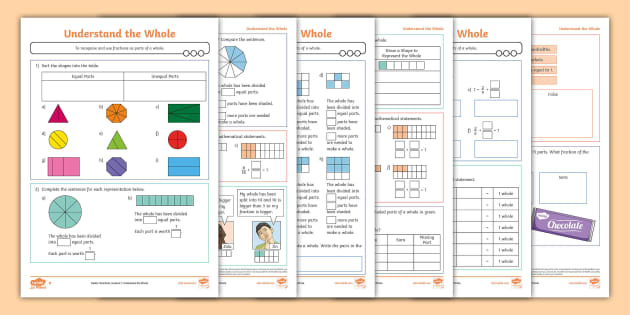
Differentiated maths worksheets are made to be flexible. One topic, such as fractions or time, can be shown in a few ways. Some tasks use clear visuals. Others use short word problems or step-by-step questions. This lets teachers choose what suits each student at that moment. In many classrooms, these worksheets sit alongside other teacher resources in Australia that teachers already use every day. Choice is the key benefit. Students work at a level that feels right. They are challenged but not overwhelmed. This often leads to better focus and calmer work time.
Meeting Different Skill Levels Without Making It Obvious
A big strength of differentiated worksheets is how quietly they work. Students may all be working on the same topic, even if the tasks vary. On the page, the work looks similar. The level of thinking is what changes. Good Maths resources for teachers include extra questions for students who are ready to stretch further. They also include guided steps for those who need more support. Teachers can move students between tasks without calling attention to ability. Over the time, this helps build a class where effort and growth matter more than speed.
Helping Lessons Run More Smoothly
From a teacher’s point of view, differentiated worksheets save time and stress. They fit easily into daily lessons. Teachers can use them during whole-class teaching, group work, or quiet practice time. When they link to a clear lesson plan for teachers, lessons feel more organised. Teachers know what each task is working towards. This makes it easier to see who is on track and who needs help. In busy classrooms, this kind of clarity makes a real difference.
Laying Strong Maths Foundations Early
In the early years, maths learning starts small. Confidence grows through simple success. Differentiated worksheets for young learners focus on basics like counting, shapes, and patterns. Good kindergarten teacher resources use pictures, hands-on ideas, and short tasks. These suit young attention spans. One child may count objects. Another may begin simple sums. Learning the same thing in different ways. This respects the fact that kids grow and learn at different rates.
Success in math at a young age can have a lasting effect on how kids feel about it.
Fostering Self-Assurance and Autonomous Thought
Students are more sure of themselves when they think they can finish a task. This feeling can be helped by using different worksheets. Students can work on their own and still feel like they have help. Clear answers or easy ways to check things are often part of the best teacher resources. This helps students look over their work and find mistakes. They learn how to solve problems on their own without always needing help. This helps people become more independent over time. Students are more willing to tackle harder questions and stay with tasks that take a little longer.
Choosing the Right Mix of Digital and Paper Resources
Many differentiated maths worksheets are now found online. Teachers can choose digital or printed versions. Trusted teacher resources websites make it easier to find materials that match the Australian Curriculum. Teachers can search by topic, year level, or skill. Digital worksheets are easy to adjust and reuse. Printed sheets work well for hands-on learners. The key is choosing what suits the class. More worksheets do not always mean better learning. The right fit matters more.
Final Thought
Differentiated maths worksheets are not a quick fix. They do not replace good teaching. What they do offer is a steady and realistic way to support all learners. They give students choice, clear steps, and room to grow. For teachers, they reduce pressure and guesswork. For students, maths feels more manageable. Progress feels possible. Learning feels fair. Over time, these small changes can help students see maths as something they can understand and succeed in, both in school and beyond.
About the Author