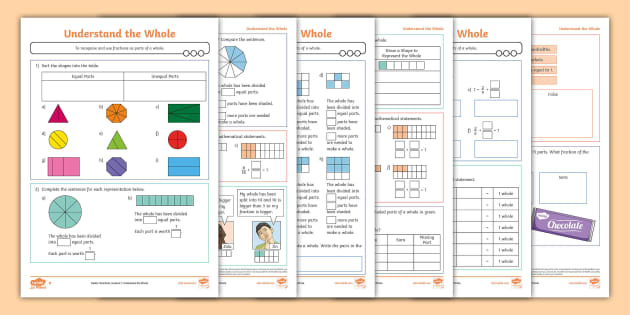
Lesson planning can easily turn into the job that expands to fill your whole weekend. It’s not just choosing activities — it’s sequencing learning, prepping materials, thinking through behaviour and transitions, and making sure everyone can access the task. The good news is you don’t always need a brand-new plan to feel organised. For many teachers, the quickest way to stay on track is to use printable planning sheets and classroom cards that carry the routine for you.
This guest post shares practical ways to use printable — like lesson plan worksheets, rotation cards, visual routines, and quick-check pages — to streamline planning, reduce last-minute scrambling, and keep lessons consistent across the week.
Why Printables Help When Time Is Tight
Printables work because they reduce the number of decisions you have to make. Instead of reinventing how a lesson will run, a planning sheet or set of cards gives you a repeatable structure. That structure helps students too: predictable routines reduce transition issues and free up brain space for learning.
A solid planning system also builds reuse. When you keep your best sheets and cards organised, you’re not “starting from scratch” next term — you’re refining what already works.
Many teachers build this system using quality teacher resources in Australia from reputable online websites. For example, you can pull together a reliable printable worksheet bank and keep it as your go-to folder.
1) Use Printable Lesson Plans as Your Weekly “Anchor”
Printable lesson plans are most useful when they’re not overly detailed. Think of them as your anchor page — the one sheet that tells you what’s happening and what you need.
A practical weekly sheet includes:
- learning intention and success criteria (simple, student-friendly)
- the core sequence (warm-up → teach → practise → review)
- resources needed (so you’re not hunting mid-lesson)
- a quick differentiation note (support / core / extend)
- a check-for-understanding prompt (exit ticket question, mini-whiteboard task)
If you’re collecting best teacher resources, choose a planning sheet you can photocopy all term and use across learning areas. Consistency is what makes it fast.
2) Rotation Cards That Run Your Groups (Without You Repeating Yourself)
If you run literacy or maths rotations, printable rotation cards are a lifesaver. They make expectations visible and reduce the constant “What do we do now?” interruptions.
Effective rotation cards include:
- station name + icon
- what students do (2–3 steps only)
- what to do when finished
- materials needed
- behaviour reminders (quiet voices, one person gets equipment, etc.)
The trick is to keep stations stable for a fortnight and rotate the content inside them. You might keep “Task Cards”, “Hands-On”, and “Workbook/Sheet” as your stations, then swap the cards or sheets each week.
When you’re searching for teaching resources in Australia, look for rotation-friendly packs with clear instructions, minimal set-up, and matching recording pages, so students can work independently.
3) Visual Routine Cards That Reduce Transition Stress
Transitions are where good lessons fall apart. Visual routine cards help you protect teaching time by making expectations predictable.
High-impact routine cards include:
- morning routine steps
- pack-up sequence
- group work expectations
- “ask three before me”
- noise level visuals
- early finisher options
Once these are embedded, you’ll notice fewer repeated instructions and a calmer pace. Even older primary students benefit from visual cues, especially if you’re trying to reduce calling out or wandering during independent work.
If you’re using teacher resource sites, prioritise routine sets that are visually clear and consistent, so you’re not mixing five different styles across the room.
4) Task Cards As “Built-In Lesson Structure”
Task cards aren’t just an activity — they can be a plan. A set of well-sequenced cards can guide students from easier questions to more complex thinking, which means you can run a whole small-group lesson without writing ten things on the board.
Ways to use task cards for planning:
- Warm-up: one card on the board, students solve on mini-whiteboards
- Guided group: teacher selects 4–6 cards, moving from simple to complex
- Independent practice: students choose 3 cards, record answers on a sheet
- Fast finishers: challenge cards or “prove it” cards
- Assessment: pick 2 cards as a quick check and collect work
For younger year levels, pairing task cards with a simple recording page keeps everything tidy and makes evidence collection easier.
5) Quick-Check Printables That Double as Assessment
You don’t need a formal test to know what students understand. Quick-check sheets let you gather evidence without extra marking load.
Examples that work well:
- a 4-question exit ticket
- a “show your thinking” box
- a success criteria checklist students tick
- a 3-minute mini-quiz at the start of the next lesson
These sheets keep assessment manageable because they’re short, consistent, and easy to file. Over time, you build a clear picture of progress without creating an endless marking pile.
6) Early Finisher Task Cards That Protect Your Teaching Time
Early finisher printables are not “extras”. They’re a behaviour strategy. When students finish and don’t know what to do next, interruptions spike. A simple choice board (with printed options) prevents that.
Good activities:
- include a variety of options
- mix written and hands-on tasks
- link to the same skills being taught
- are easy to set up independently
You can print and laminate task cards and keep a tub nearby. The goal is independence, not novelty.
Many teacher resources websites offers materials that save time and reduce interruptions.
How to Put It All Together (A Realistic Weekly Workflow)
Here’s a simple way to plan using printables without overcomplicating it:
- Choose your focus outcomes for the week.
- Fill in one printable planning sheet with the sequence for each day.
- Select matching task cards and one independent sheet per lesson.
- Set up rotation cards for the fortnight (keep the stations stable).
- Print quick-check slips for two lessons (mid-week and end-of-week).
- Keep one early finisher choice board running all term.
This keeps planning light while your classroom systems stay strong.
Avoid The “Download Spiral”
Printables save time only if you use them. If you find yourself collecting resources instead of teaching, set a rule: print for the next two weeks only. Keep one folder for “ready now” and one for “later”. That separation stops the endless scroll and keeps your prep realistic.
A small, curated bank of resources is more valuable than a huge one — especially when it matches the routines you already run.
Final Thoughts
Printable lesson plan sheets and classroom cards don’t replace your professional judgement — they support it. They reduce repeated decisions, strengthen routines, and help students work more independently. When your planning is built around reusable printables, you spend less time reinventing and more time teaching.
If you’re building a sustainable system, start small: one weekly planning sheet, one rotation card set, and one stack of task cards you can reuse. Once those are working, everything else becomes easier to add.
About the Author